

SEARCH
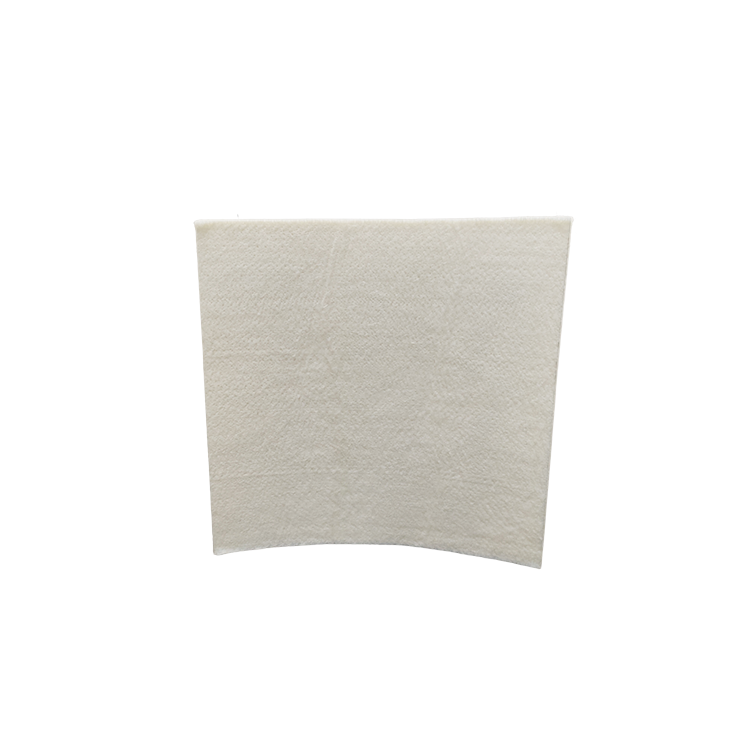
In the fields of building energy conservation, industrial insulation, and special-condition thermal insulation, aerogel and glass wool are both common types of insulation materials. As engineering projects increasingly demand higher energy efficiency, spa
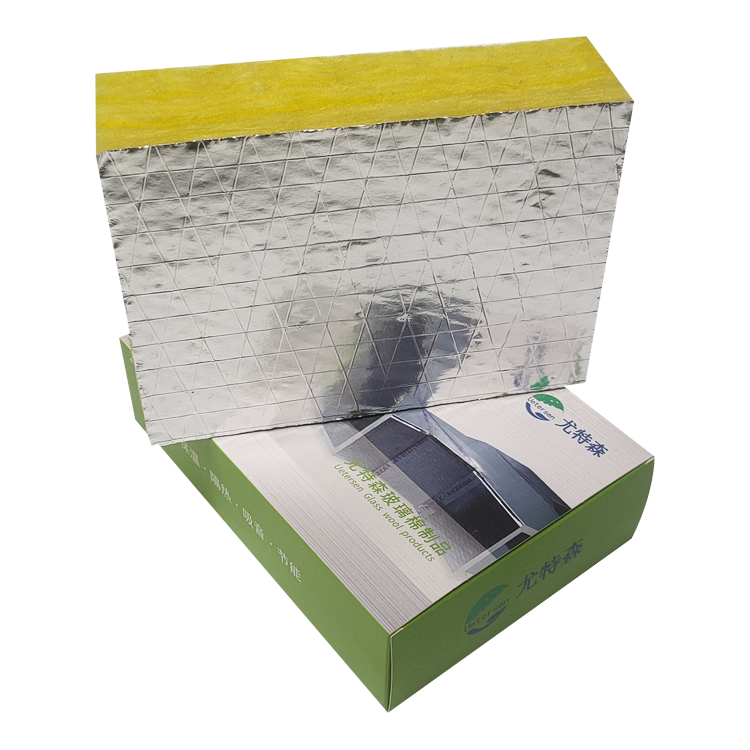
In building insulation, industrial insulation, and HVAC systems, glass wool and rock wool are the two most widely used inorganic fiber insulation materials. While they share some similarities in appearance and application, significant differences exist in
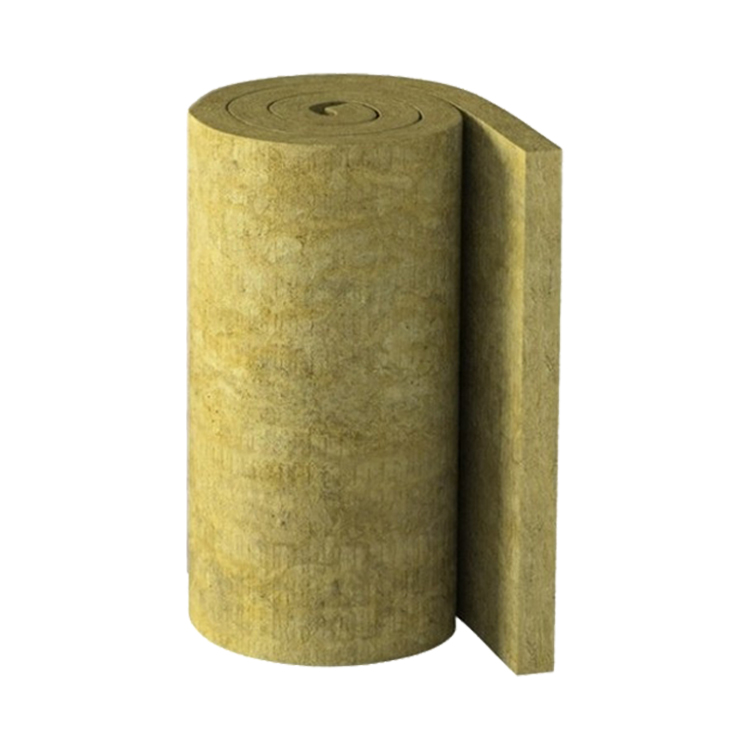
With the continuous improvement of building energy efficiency standards, the thermal insulation and fire resistance performance of building envelopes have become core aspects of energy-saving design. Among numerous insulation materials, rock wool is widel
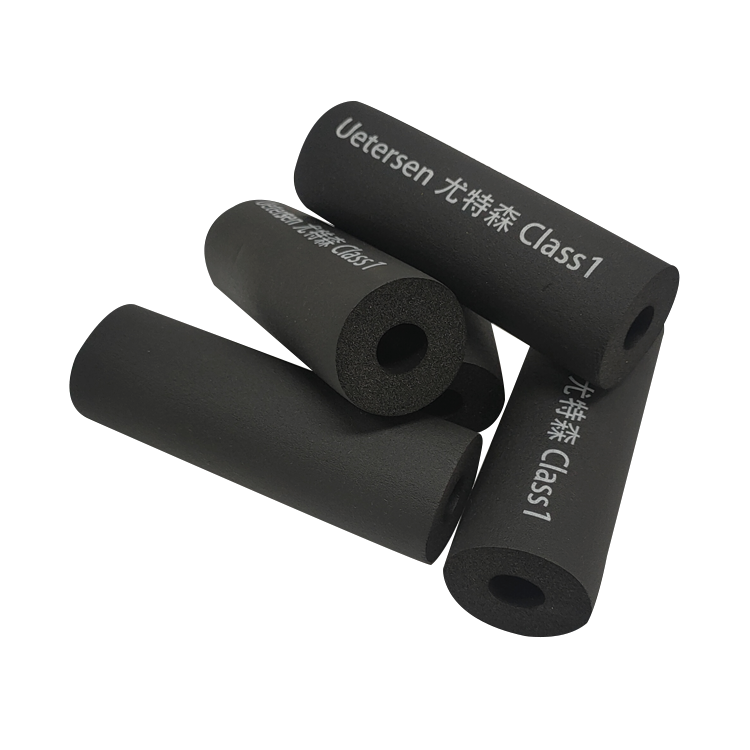
In cold chain logistics, fresh food storage, pharmaceutical refrigeration, and food processing, cold storage projects place extremely stringent requirements on the performance of insulation materials. The insulation system not only affects the energy cons

With the continuous development of cryogenic technology, more and more industrial sectors need to address the insulation challenges of equipment in extremely low-temperature environments, especially for the storage and transportation of cryogenic media su
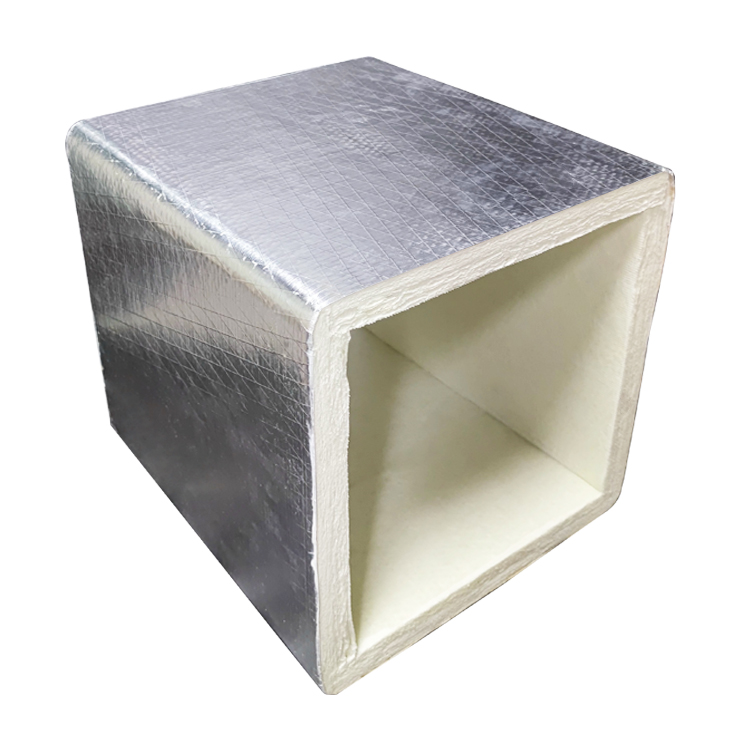
With increasingly stringent requirements for indoor air quality, energy efficiency, and fire safety in office buildings, the selection of materials for ventilation systems has become crucial. Fiberglass ducts, due to their integrated insulation, sound abs
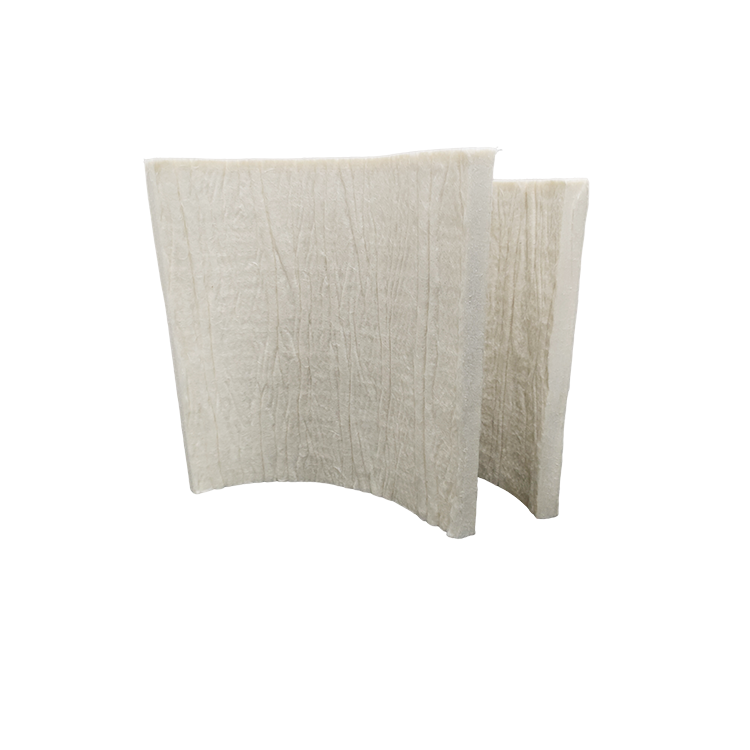
In building insulation, industrial equipment insulation, and piping systems, insulation thickness directly affects space occupancy, construction difficulty, and overall energy efficiency. Aerogel and rock wool, as two common insulation materials, have sig

With the acceleration of urbanization and the increasing demands for comfortable living environments, noise pollution has become a significant factor affecting people's physical and mental health. The sound insulation performance of buildings directly
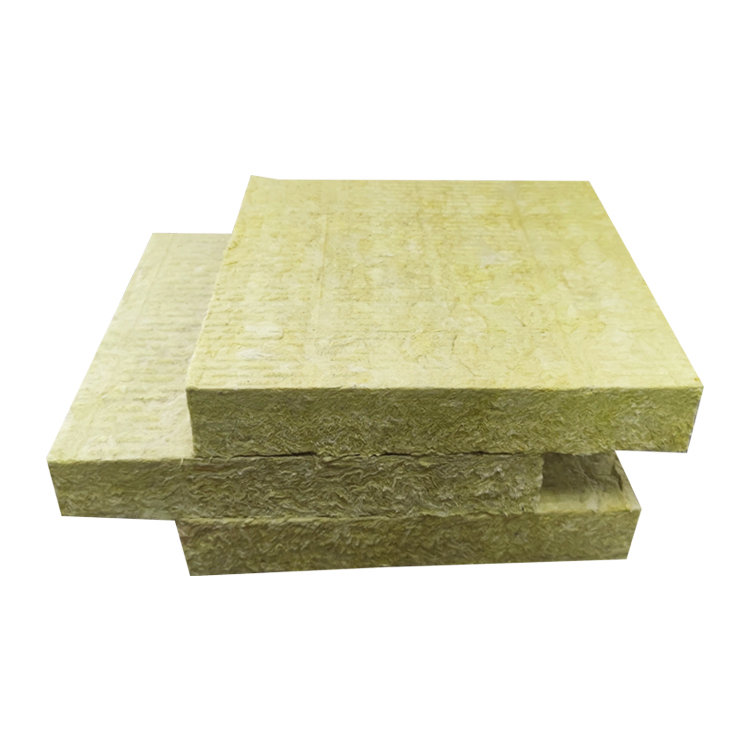
Steel structures are widely used in modern industrial plants, public buildings, and large commercial complexes due to their high strength and short construction period. However, the mechanical properties of steel decrease significantly at high temperature

In modern buildings, the computer room, as the centralized area for HVAC, water supply and drainage, power, and energy systems, directly impacts the overall building's usability through its operational stability and energy consumption control. The com
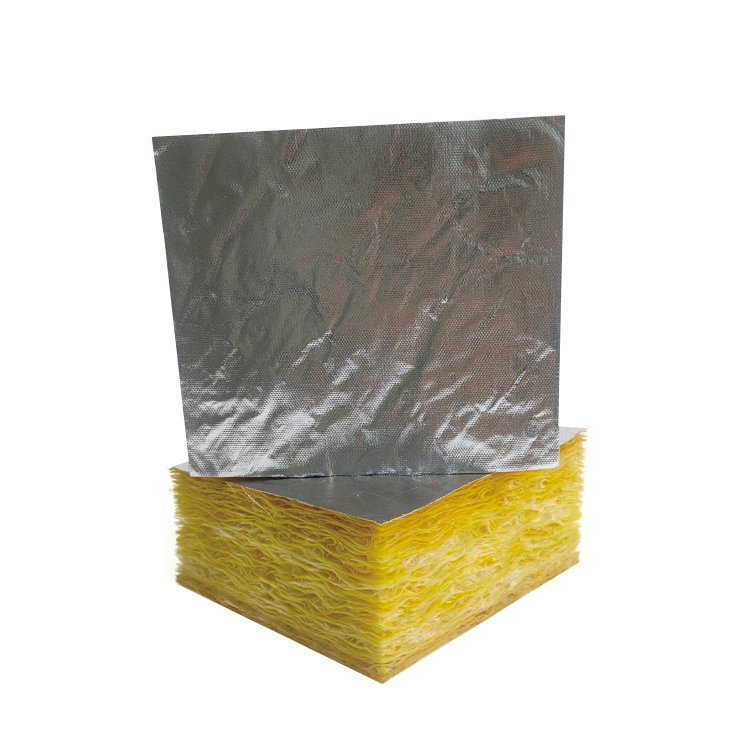
As the global energy structure shifts towards cleaner energy, the scale of liquefied natural gas (LNG) projects continues to expand in storage, transportation, peak shaving, and end-use. LNG operating conditions are characterized by ultra-low temperatures
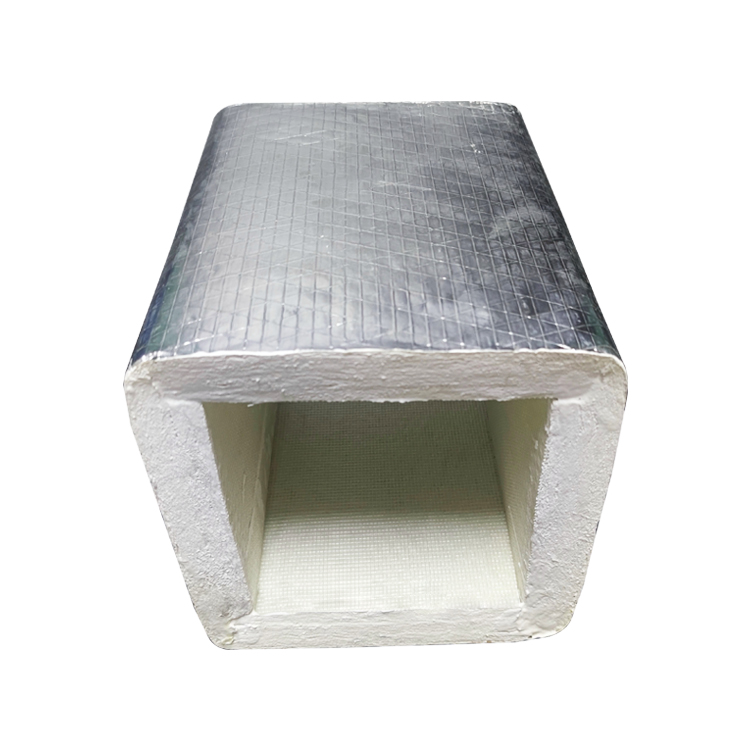
Hospitals, as public buildings with extremely high air quality requirements, rely heavily on their ventilation systems. These systems not only affect indoor comfort but also directly impact medical environment safety and infection control. Therefore, the
hotline:
 18565454573