

SEARCH
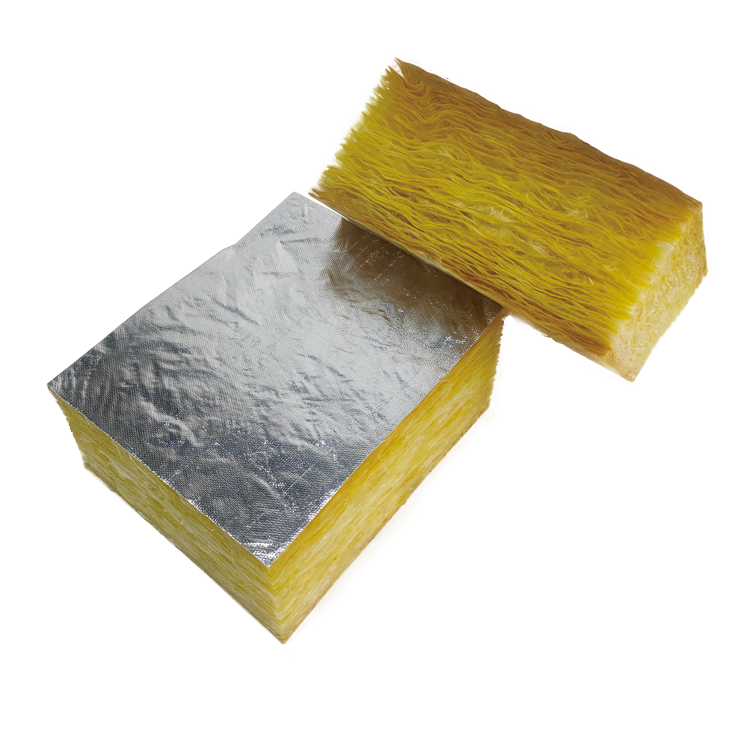
In the fields of cryogenic engineering and energy equipment, LNG (liquefied natural gas) systems place extremely high demands on insulation materials. These materials not only need stable thermal conductivity but also must maintain structural integrity un
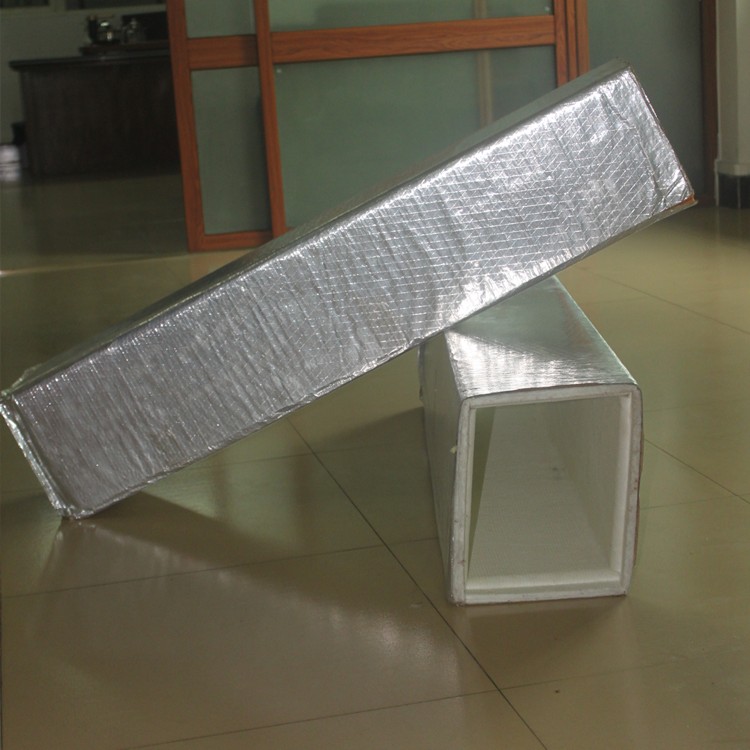
In HVAC systems, air ducts not only transport air but also directly affect indoor noise levels. With increasing demands for acoustic environments in buildings, the sound insulation and noise reduction performance of fiberglass ducts has gained growing att
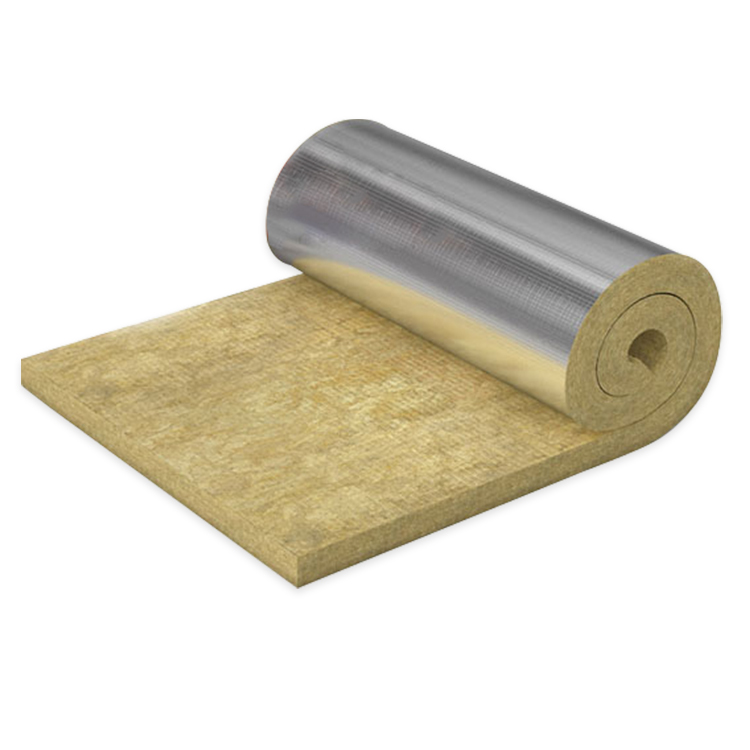
In the fields of building energy conservation and industrial insulation, rock wool is an inorganic fiber insulation material with a long history of application and mature technology. One of the core indicators for evaluating the insulation performance of
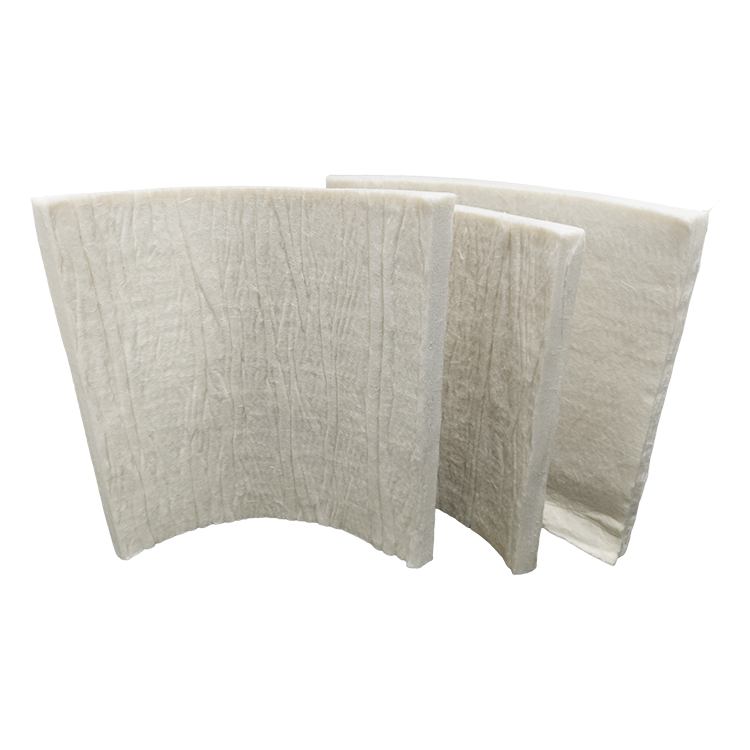
Among numerous thermal insulation materials, aerogel is often considered a representative material that "maintains significant thermal insulation effects even with extremely thin thicknesses." Compared to traditional glass wool, rock wool, or ru
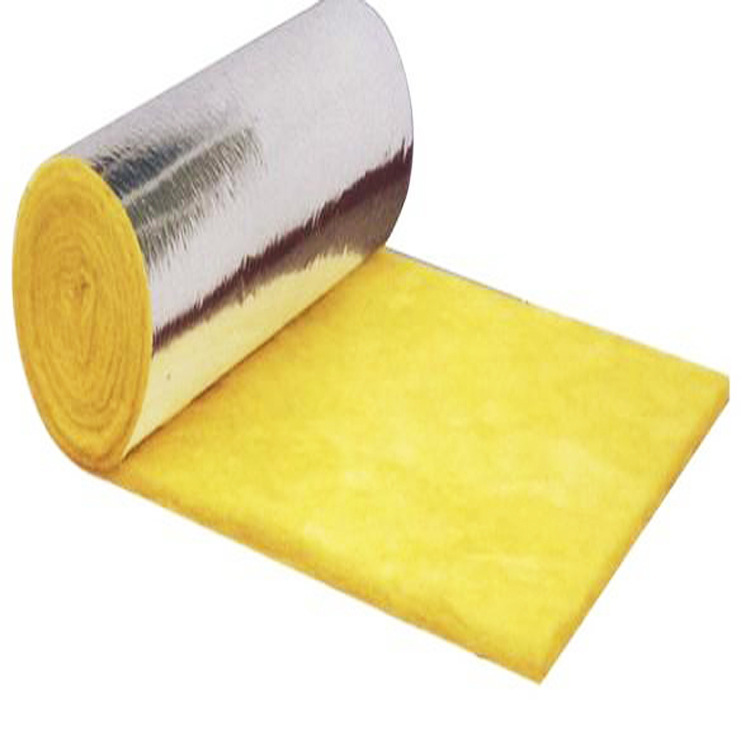
Glass wool is a widely used inorganic insulation material in building envelopes, HVAC systems, and industrial equipment insulation projects. Many users focus on its thermal conductivity, fire resistance, and service life when selecting glass wool, but the

In the fields of building energy conservation, HVAC systems, and industrial pipeline insulation, rubber and plastic insulation materials are widely used flexible insulation products. Among them, the "thermal conductivity of rubber and plastic" i
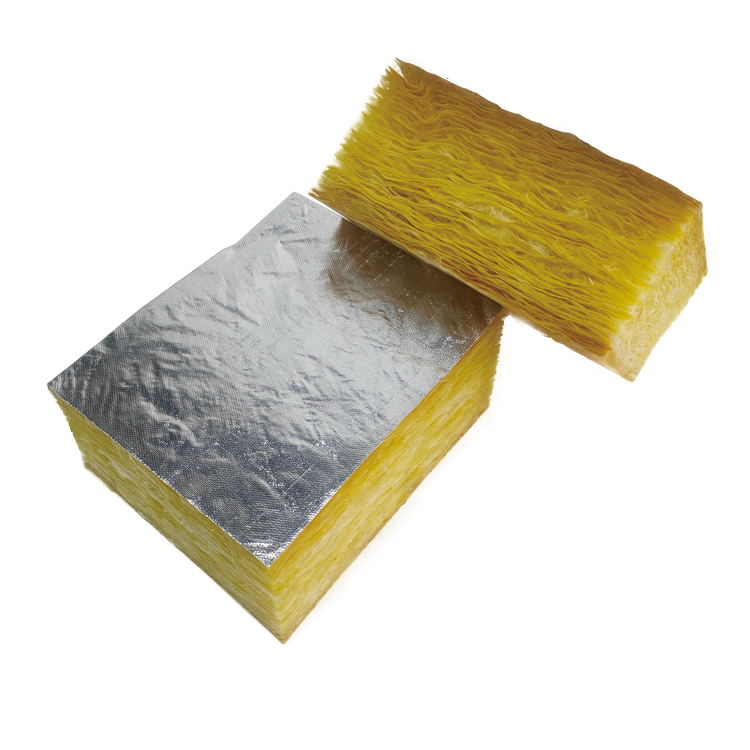
In liquefied natural gas (LNG) storage and transportation, cryogenic pipelines, and cryogenic equipment systems, the thermal conductivity of insulation materials directly affects energy loss control and system operational safety. LNG elastic felt, as a fl
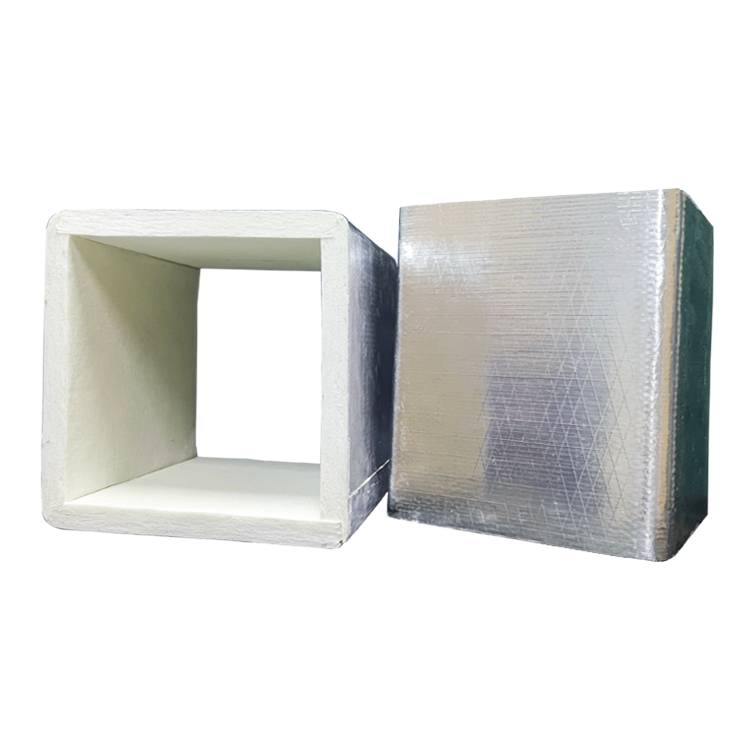
In HVAC systems, ducts not only transport air but also serve as crucial channels for noise transmission. Improper control of fan noise and airflow noise directly impacts the acoustic quality of the building's interior. Fiberglass ducts, due to their u
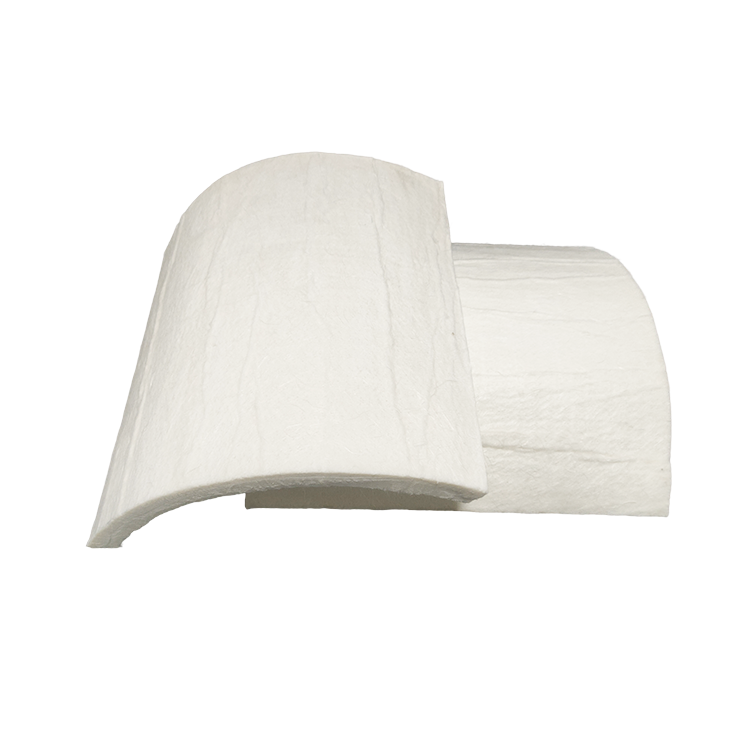
Aerogel is a porous solid material made from inorganic or organic sols through gelation and a special drying process.

Rubber and plastic insulation materials are typically made from rubber and polymer materials through a foaming process, and belong to the closed-cell flexible insulation material category. Their interior forms a large number of independent, closed micropo
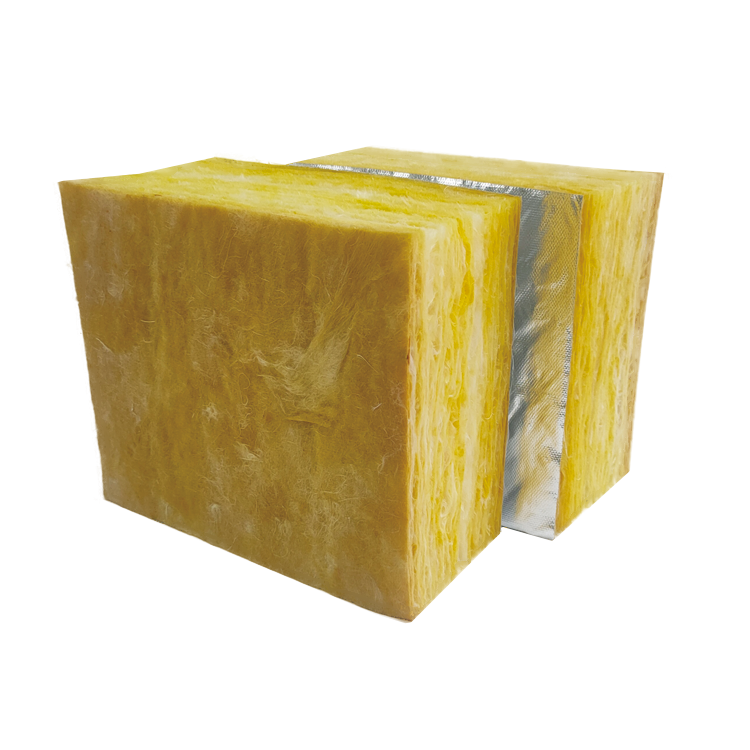
LNG elastic felt is typically made from high-performance inorganic fibers or composite fiber materials through a special process, possessing excellent flexibility and low-temperature adaptability. It maintains structural stability even at low temperatures
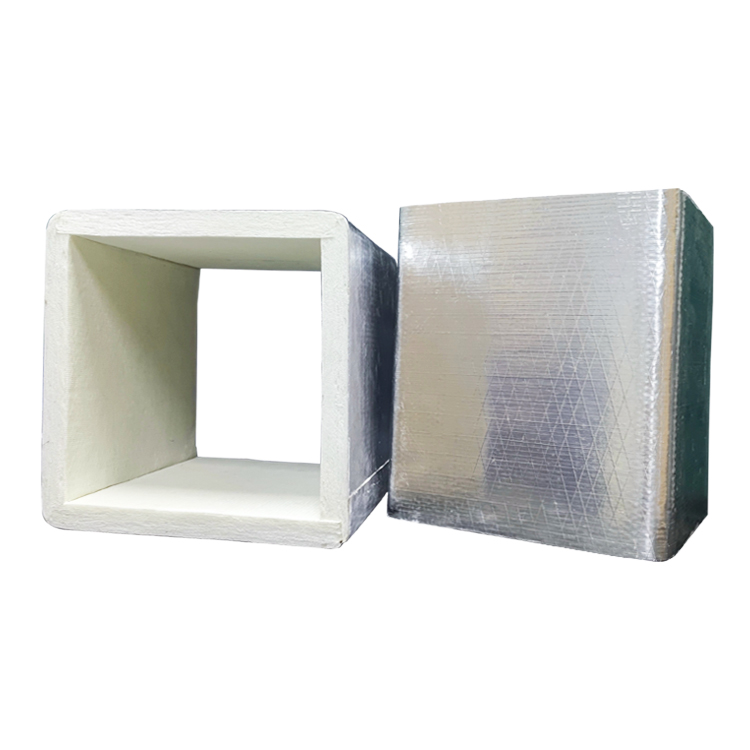
Fiberglass ducts are a type of composite duct system based on inorganic fibers. They have their own thermal insulation properties and do not require an additional independent insulation layer.
hotline:
 18565454573